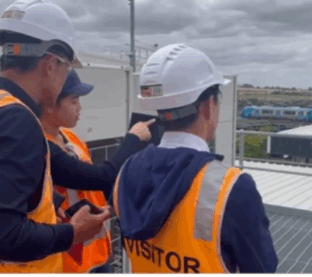

The result: slower decisions, bottlenecks on a handful of technical users, and frontline teams who can’t easily self-serve the answers they need.
The idea: ask your systems questions in plain English
By using generative AI to translate natural language into database queries, workers can ask questions like “What are current stock levels for part X?” or “Show me recent fault logs for fleet Y” and get results quickly—without needing to navigate complex screens or write SQL.
What this paper covers (in practical terms)
A rail industry case study
In a real-world rail deployment, a natural language data retrieval system showed early signs of impact: faster access to operational information, broader data retrieval capability for everyday users, and improved productivity—supporting better decisions across roles.
The takeaway
Natural-language data retrieval isn’t just a convenience feature—it’s a scalable way to speed up decision-making in asset management by making industrial data usable by both technical and non-technical teams. With the right architecture and validation controls, enterprises can deploy it securely and evolve it as models improve.



 June 3, 2026